Every Cycle deserves to Be Understood.
Empowering girls, teens, women, and educators through education on topics, support, and real honest conversations about the menstrual cycle and heath.

Founder: Valeria Malvicino
Cycle Unseen
Co founder: Sofia Galceran
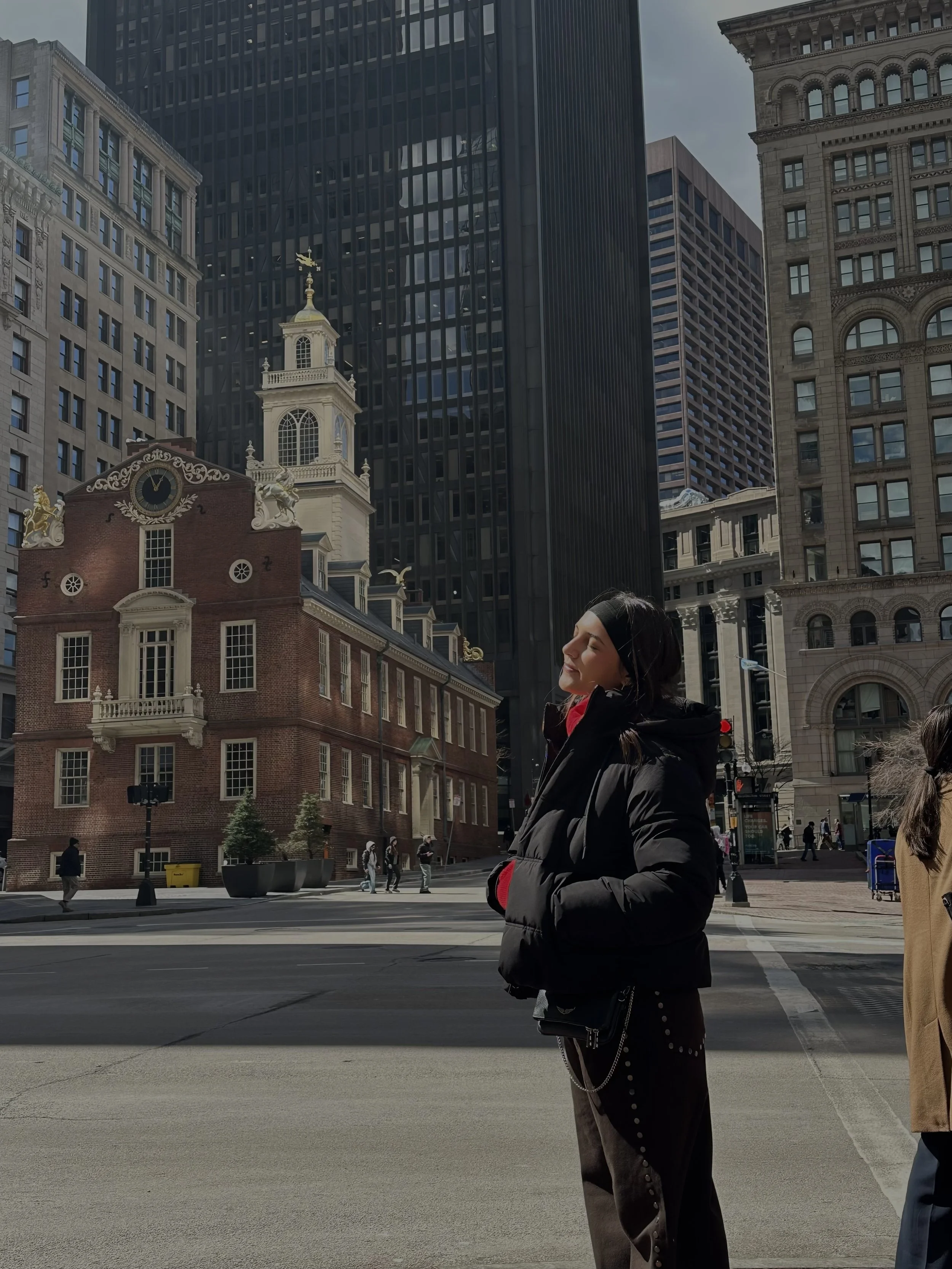
Why We Created Cycle Unseen:
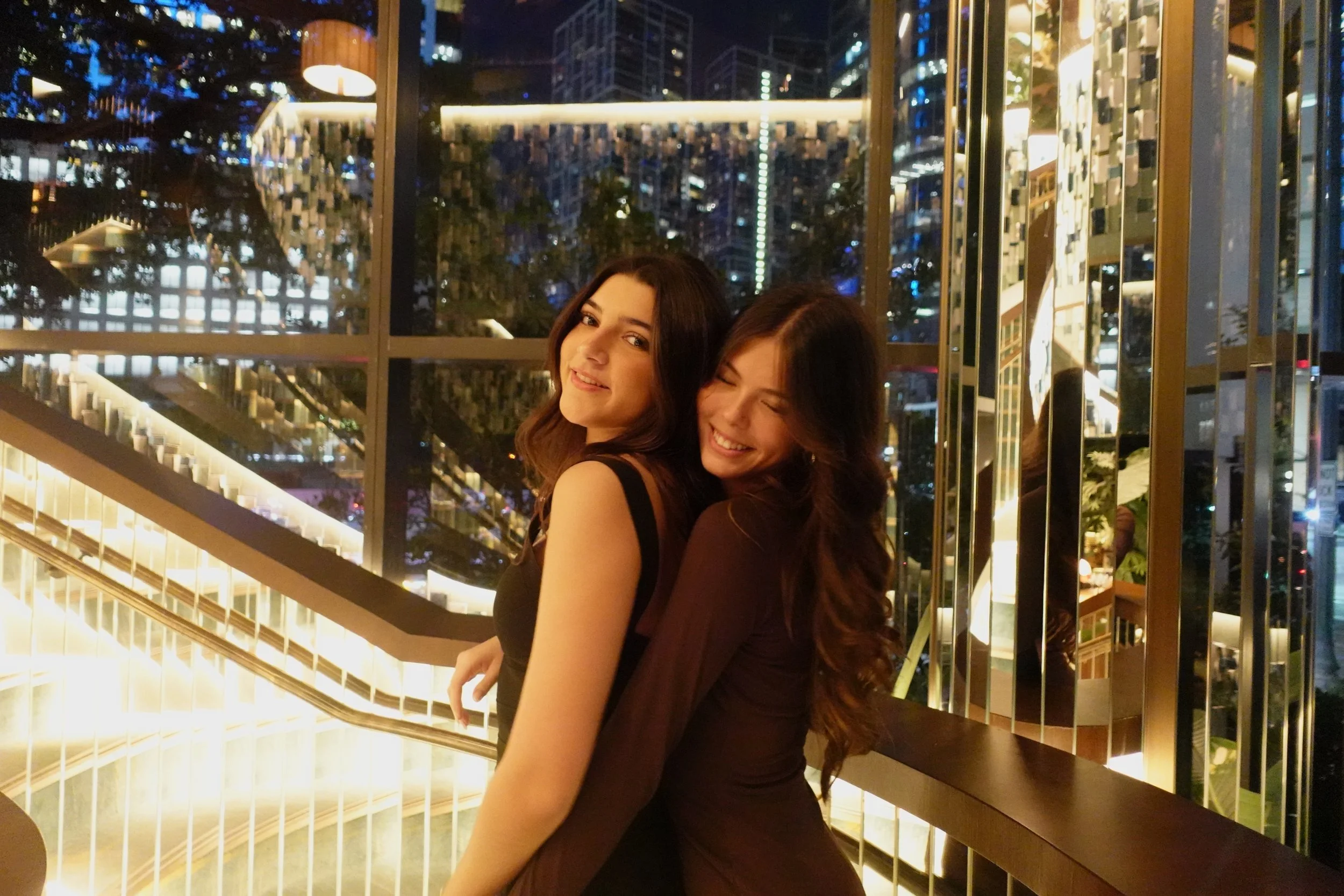
Cycle Unseen was created from our own experiences navigating through womanhood, puberty, period, body changes, mental health, and the challenges that often go unspoken. Growing up surrounded by two strong women taught us that being a woman comes with both strengths and struggles, but we also learned that many girls are left feeling confused, embarrassed, alone, or scared to be judged.
Through our own journeys, we realized how important it is to have a safe space where young girls can ask questions, learn about their bodies, and talk freely without any shame or judgment. We created Cycle Unseen to provide that space.
Our goal is to make conversations about periods, PCOS, puberty, mental health, intimacy, STDs, self-care, and other normal parts of growing up. We want young people to feel informed, supported, heard, and confident in their own bodies,
Cycle Unseen is more is more than a project. It is a movement to break the stigma and remind every young person that they aren’t alone.
Together we are stronger, Together we grow, Together we are Cycle Unseen.
Understanding Your Menstrual Cycle:
Your menstrual cycle is more than just your period. It’s a series of changes your body goes through each month. The cycle has four main phases menstrual, follicular, ovulation, and luteal. The length of a cycle can be different for everyone.
Menstrual Phase - Your Period
This is when you get your period. Your hormone levels drop and the lining of the uterus is shed, which causes the menstrual bleeding.
Your may experience: bleeding, cramps, bloating, tiredness, headaches, and mood changes.
A period usually last around 3-7 days but this can be different for everyone.
Follicular Phases - Getting ready
The locular phase starts on the first day of your period and keeps going until ovulation. During this phase, hormones stimulate follicles in the ovaries to develop. Normally, one follicle becomes dominate and starts an egg for ovulation. At the same time, the uterine lining starts building back up.
You may notice: Increasing energy, changes in cervical mucus which is discharge, and changes in mood.
The length of this phase can change from person to person
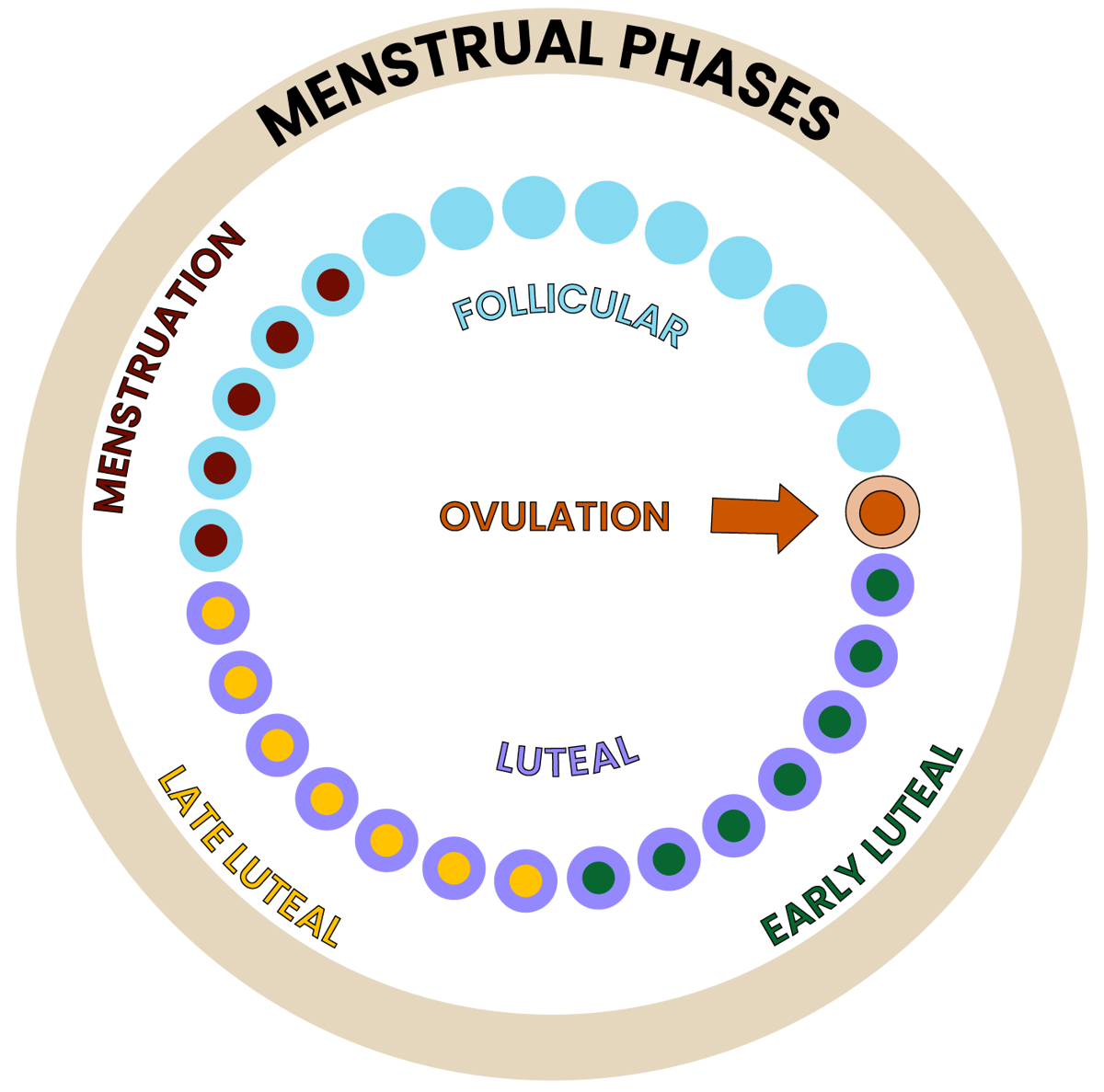
3. Ovulation Phase - The egg is released
Some people notice: Clear, slippery discharge, mild cramping, changes in body temperature, changes in energy or mood.
The days around ovulation are when pregnancy is more likely to happen.
4. Luteal Phase - Preparing for What Comes Next
After ovulation, the body enters the luteal phase. Progesterone increases and helps prepare the uterine lining in case pregnancy does happen. If pregnancy doesn’t happen, hormone levels soon decrease, leading to the next period.
You may experience: Bloating, Breast tenderness, acne, food cravings, fatigue, mood changes, and PMS symptoms
The luteal phase normally last around two weeks but this can vary per person.
Remember: Your Cycle is Unique! There is no single cycle that looks exactly the same. Your cycle length, symptoms, and experiences can change a lot over time. Leaning about the four phases can help you truly understand your body and learn your own patterns.
Hormones
Hormones are chemical messengers that help control a lot of processes in your body which include your menstrual cycle. Throughout your cycle, hormone levels rise and fall, which causes changes in your period, ovulation, mood, energy, and body.
The Main Hormones:
FSH - Follicle-Stimulating Hormone:
FSH helps your ovaries make follicles, which holds eggs. It is very important mainly during the follicular phase of your cycle
LH - Luteinizing Hormone:
LH causes ovulation, A random increase which is called an LH surge, triggers the ovary to then let go an egg.
Estrogen:
Estrogen rises during the first half of the cycle. It helps rebuild and thicken the lining of the uterus and plays a very important role in preparing the body for ovulation,
Progesterone:
Progesterone grows after ovulation. It helps maintain the uterine lining in preparation for if you get pregnant. If pregnancy doesn’t happen, progesterone levels fall which helps trigger the next period.
How they work together:
Think of your hormones like a team. FSH, follicle develops, estrogen rises, LH surge, ovulation, progesterone rises, hormones fall, period starts again.
Your hormones don’t just affect your reproductive system. Their changes also tie into cramps, breast tenderness, bloating, acne, mood changes, and changes in energy throughout your entire cycle
Reminder!! Hormonal changes are completely normal when you're on your menstrual cycle, but everyone’s experience is different. Knowing your hormones can help you better understand why your body may feel different at different times of your cycle
What to Expect
Your menstrual cycle is way more than just bleeding. Because your hormones change throughout your cycle, you may also realize different physical and emotional symptoms. Some people can have many symptoms while others experience few to even none. Everyones body is different
Cramps
Bloating
Lower back pain
Headaches
Fatigue or feeling tired
Breast tenderness
Mood changes
Cravings
Acne
Changes in energy
Acne or any changes in your skin
Bloating
Mood changes
Changes in discharge
Breast tenderness
Nausea
When Should I Talk to Someone:
Period symptoms are very common, but you shouldn’t feel like you have to deal with your pain. If your symptoms start interfering with your everyday life like school, sports, sleep, or everyday activities, it may be a good idea to talk to a healthcare professional. You know your body better than anyone. Pay attention to all these changes and if something truly doesn’t feel right never be afraid to ask questions or get help!
PMS refers to physical and emotional symptoms that can happen before your period starts. A lot of the symptoms mentioned are things you should expect. Symptoms can range from mild to being more noticeable and is different for everyone.
Mood and Energy Changes:
Hormonal changes through your menstrual cycle can also affect how you feel physically. You may feel more tired, emotional, or irritable. These changes don’t happen to everyone, it can also vary from cycle to cycle
Bloating:
Bloating is a very common symptom that happens during your period. Your hormonal changes can make your body retain more water which then makes your stomach feel more swollen, full, or uncomfortable. It normally gets before once your period progresses or finishes.
Our First Experience:
My first period came the day before Halloween. My mom had always educated me about periods, so I wasn’t that nervous as other people may have been. I experienced terrible cramping, which over time turned out to be connected to a condition I didn’t know I had at the time. My mom showed me how to use a pad and tampon correctly. I also experienced terrible mood swings and bloating, and my period lasted about 7 days.
For me, I noticed that my cravings increased about a week before my period, same with having some mood swings and cramping. I remember especially experiences cramps a 3 days before my period. I was in shock I didn’t really know how to feel but soon calmed down and asked for help.
Reminder: Your not alone. Our experiences were different and that’s ok and normal. Even if your nervous, confused, prepared, or feeling all of those at once, your never alone. We want Cycle Unseen to be a place where you feel comfortable, supported, and never scared to ask for help
Taking Care of Yourself
Getting your period for the very first time can feel very confusing, mainly when you're trying to figure out what products to use, or how to take care of your body. There is no right way to do everything its truly about finding what makes you feel your best and comfortable.
Cycle Unseen Reminder: There is no embarrassing question when it comes to your body. If its you learning how to use a paid, trying a tampon for the first time, choosing if you want to shave, or just learning how to take care of yourself, there is never a reason to feel embarrassed to ask questions.
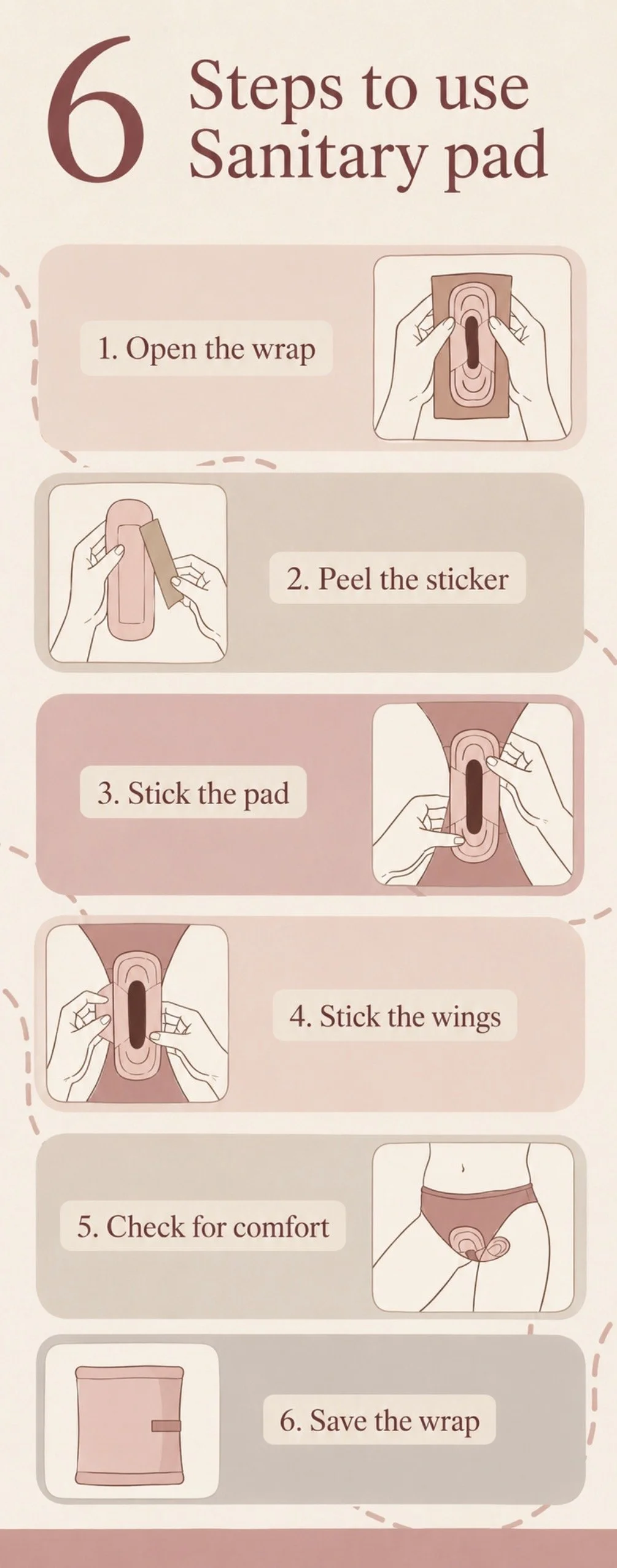
Pads: Pads stick to the inside of your underwear and absorb your menstrual blood. Pads are a great option if you're new to periods because they are easy to use and don’t require inserting anything into your body. Pads also are recommended to use when sleeping if you're not using period underwear.
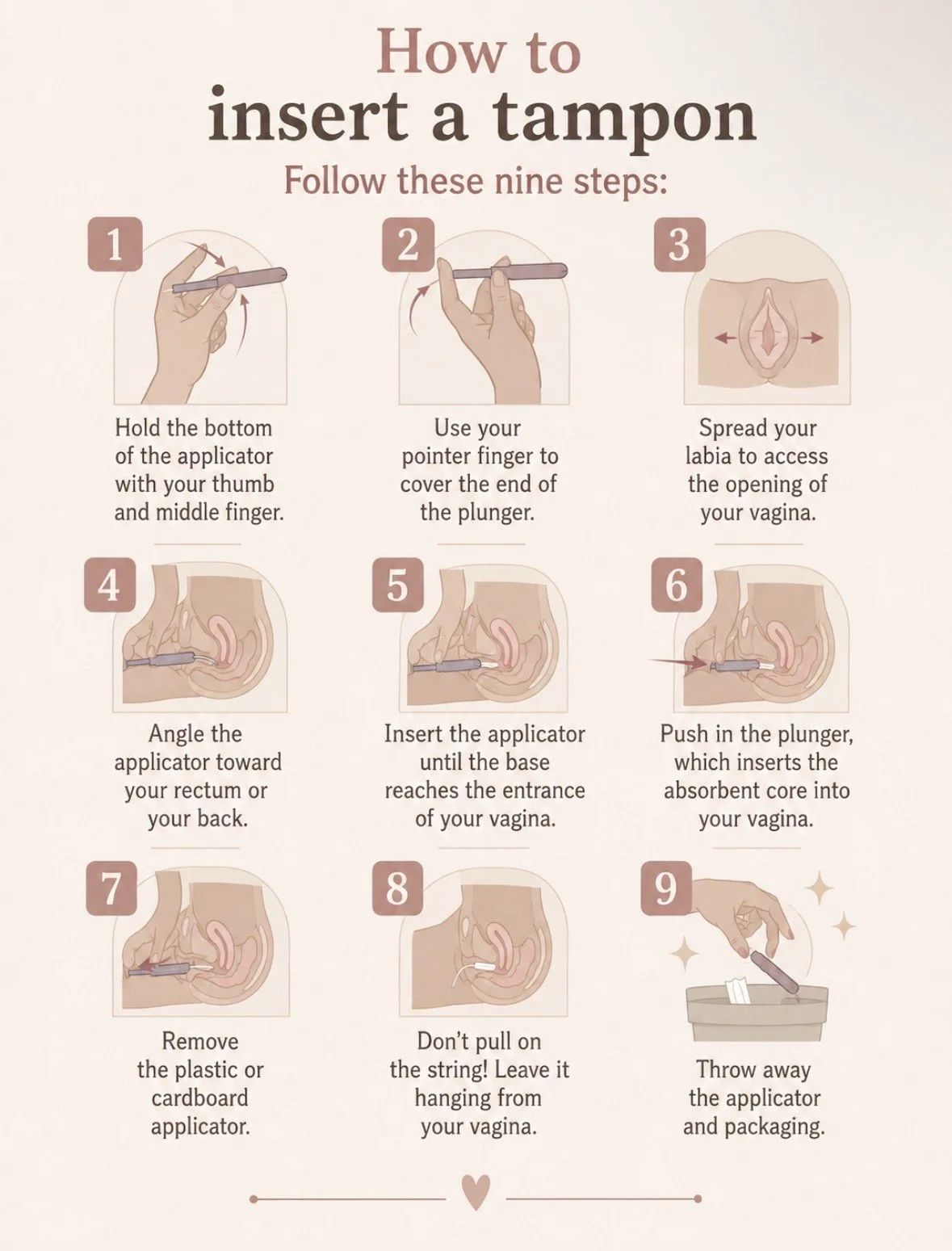
Tampons: Tampons are inserted into the vagina and absorb menstrual blood from inside the body. They take more practice to get comfortable with.
Some tips - Choose the absorbency that matches the way your flow is, wash your hands always before inserting, change your tampon regularly never leave it on for more than 8 hours, and only use tampons when you have your period.
If you're nervous about trying a tampon, that is normal. You can take your time and use pads or another period product instead!
Shaving: Whether or not you shave is fully your choice. Pubic hair is normal and does have a purpose, so you don’t need to remove it if you don’t want to.
If you choose to shave -
Use a clean, sharp razor.
Wet your skin first with warm water.
Use shaving cream or gel.
Shave gently in the direction your hair grows.
Rinse the razor between strokes.
Moisturize after with a gentle, fragrance free product.
Don’t feel pressured to shave just because some people do. Your body doesn’t need to look a certain way.
Hygiene: Take care of your vaginal health and menstrual doesn’t need to be hard.
Change your period products regularly
Wash the outside of your vagina (the vulva) with warm water
Avoid putting soaps, perfumes, or scented products inside your vagina.
Wear clean, breathable underwear.
Wash your hands before and after changing period products.
Remember that discharge is normal and can change throughout your cycle.
PCOS and Other Conditions
Everyone’s body is different, sometimes changes in your menstrual cycle can be tied to an underlying condition. Learning about these condition can help you truly get a deeper understanding of your body and know when it may be important to talk to a healthcare professional.
PCOS (Polycystic Ovary Syndrome) is a hormonal condition that can affect the ovaries and your menstrual cycle. It is common in women and can look different from person to person.
Some possible signs:
Irregular or missed periods.
Acne.
Increased hair growth.
Hair thinning.
Terrible pain periods
Difficulty with ovulation.
Changes in weight.
Not everyone with PCOS has the same symptoms. Some people might not even realize they have it until they talk to a healthcare professional for a check up and start mentioning their symptoms.
Endometriosis happens when tissue similar to the lining of the uterus grows outside of it. It can cause very terrible pains during your period, pelvic pain, pain with bowel movements or urination, and often hard to get pregnant.
Adenomyosis happens when the tissue similar to the uterine lining grows into the muscle wall of the uterus. It can cause heavy or very long periods, painful periods, pelvic pain, and bloating.
Fibroids are non - cancerous growths in or around the uterus. Some people don’t have symptoms, while others may have heavy or longer periods, pelvic pressure or pain, and frequent urination.
PMDD is a more severe form of premenstrual symptoms. It can cause a lot of mood changes, irritability, anxiety, depression, and other physical symptoms before a period.
Amenorrhea means not having a period. It can happen for a lot of reasons, including pregnancy, hormonal changes, certain health conditions, medication, or intense physical activity.
Cycle Unseen Reminder: Having symptoms doesn’t mean you fully have these conditions. If your periods are very painful, usually heavy, not regular, or changing randomly, talking with a healthcare professional can help you see what is happening.
Pregnancy Loss and Miscarriage
Miscarriage:
A miscarriage is the loss of a pregnancy and it can happen for a lot of reasons. It can be a very emotional experince for the person dealing with it and their family. It’s important to know that having a miscarriage is not something someone should be blamed for.
Because miscarriage can be a very hard topic to talk about, it’s important to remember that everyone’s experience is not the same. Sometimes people may want to talk about what happened while some other people want that space to process what happened.
Why Were Talking About This:
These topics can feel uncomfortable to talk about or scary, but staying silent doesn’t make it any better. We want Cycle Unseen to be a place where people can learn about their bodies without having any shame and to know that asking for help or any question is ok.
Your body deserves to always be understood, not judged.
Personal Story
I am Jessica Malvicino Valerias mom, and at 16, I had no idea the diagnosis I received would change my life forever. I remember sitting in the examination room after numerous tests, when I was told I might have endometriosis, a possibility confirmed by my laparoscopy. I finally had an explanation for the horrible cramps I experienced from the moment I got my period, to the point that I couldn't get out of bed and missed school because of the excruciating pain. At the time, I thought that if I just took my birth control pills, I would be okay. As time passed, my condition worsened, and I underwent endless interventions, including taking birth control pills consistently, stopping my menstrual cycle with medication, being put on pre-menopause, and several surgeries. I also had to deal with my mental health and the fear of not being able to have children.
I feel blessed every day when I look at my two daughters, my miracle babies. After my firstborn's birth, it was confirmed that my fallopian tubes were damaged. Ten years later, with the exceptional care of my medical team, I had my second daughter. That pregnancy led to my hysterectomy, which confirmed that I also had adenomyosis. While the hysterectomy ended my long battle with endometriosis, adenomyosis, and ovarian cysts, I am faced with the fear that this story could repeat itself with my daughters. My oldest has been diagnosed with Polycystic ovary syndrome (PCOS), yet her determination to make a difference in the lives of other young girls and to raise awareness is remarkable. I am beyond proud that, through my own struggles and her diagnosis, she can touch the lives of others. You don’t have to fight this battle alone!
Self Care
Taking care of yourself during your cycle is also about listening to your body. Self care can look different for everyone, especially when you may have different affects then others like mood changes, cramps, or stress.
Ways To Take Care of Yourself:
Say hydrated: Drink a lot of water of water it can help you feel better when you are on your period.
Get enough sleep: Your body may need more rest especially if you're feeling tired.
Move your body: Activities like walking, stretching, yoga, or pilates can help some people feel better or more comfortable.
Use heat: A heating pad or a warm bath can help cramps.
Eat regularly: Giving your body enough duel can help your energy.
Take time for yourself: Rest, spend time with people you love, and do things that make you feel good.
Keep track of your cycle: Keeping track of your period can help you understand your own patterns.
Ask for help: You don’t need to deal with all of these emotions or symptoms alone.
Self care is also important even if you aren’t on your cycle. Make sure you get enough sleep, do things you enjoy, make time for your personal hobbies, friends, and whatever makes you happy
Reminder to always take breaks when you feel overwhelmed, pay attention to your mental health, personal hygiene and health, and talk to someone when you need help.
Even when you're not on your period make sure to still do all these things. Everyone deserves self care every day no matter the circumstances.
Mental Health
Mental health is a very important part of growing up and can change how we see ourselves, relationships, and everything around us. Anxiety, peer pressure, and body image are very frequent things young people go through but you don’t have to deal with them alone.
Anxiety: Anxiety can happen when you feel worried, overwhelmed, stressed, or even any time of the day. School, friendships, family, and changes physically with your body and skin can contribute all to stress and anxiety. Taking time to yourself, talking to someone, journaling, therapy, breaking exercises, or doing something that can help you.
Peer Pressure: Sometimes we feel pressured to act, dress, or making choices a certain type of way because the people around us. You never have to change who you are and are meant to be just to fit in the crowed. It’s okay to say no, set boundaries, and walk away when certain actions don’t aline with you.
Body Image: Growing up means your body changes, everyone’s body can develop differently. Social media and comparisons can make anyone feel like we may not be good enough. Your body doesn’t need to look a certain way to be pretty or to have confidence any way you look is perfect and good enough.
Our Experience:
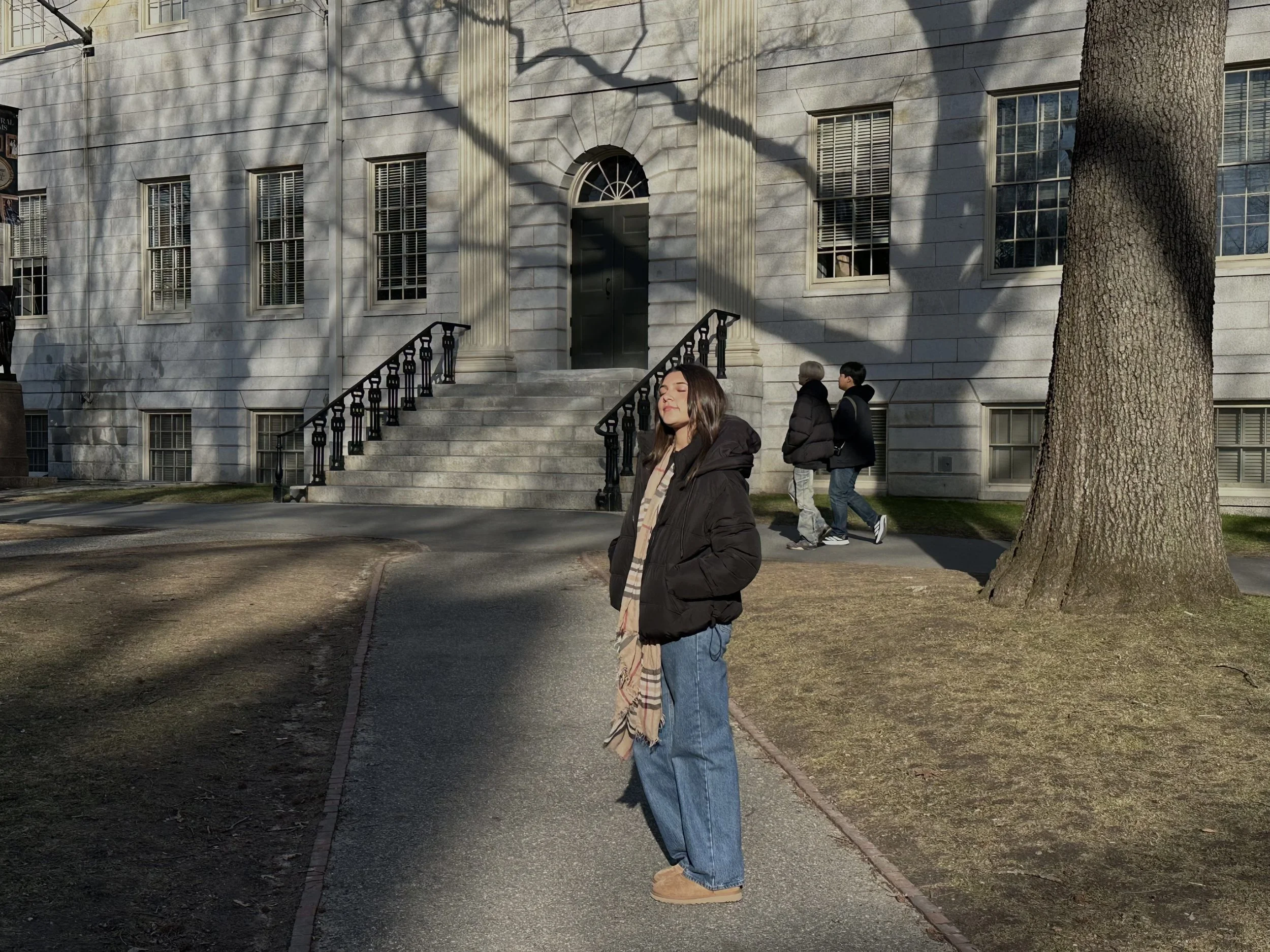
Personally, I experienced a lot of anxiety transitioning into a new high school, not knowing anyone. Anxiety can look different for everyone. For me, it felt like constantly worrying, overthinking situations, feeling nervous about what other people think, or feeling like you're never doing enough. Social media and the pressure to meet certain expectations can make those feelings even stronger. Growing up can come with pressure from friends, classmates, social media, and even ourselves to feel pressure in the way we dress ourselves or our body image. But you’re allowed to say no. You are allowed to be different. You are allowed to take your time. In any situation.

Ever since I was 5 I was diagnosed with severe anxiety. With my diagnosis I also got told I have trichotillomania, which is a mental health condition that involves the urge to pull my own hair. I usually get this feeling whenever i’m anxious, which, on average is every day. Ive learned how to cope with all of this but it hasn’t gone away and never will.
Tackling this and soon transitioning into high school was a shock to me. I was dealing with a new environment, friends, gymnastics, and all the stress that came with it. I felt stuck and didn’t know what to do, so I tried to fit in. Soon, I realized that wasn’t who I am. This also led into the mental health struggles that affected me which led me into therapy for a while.
All this suffering let me to want to be an example to others to reclaim their power and never feel like they need to change who they are.
You are perfect the way YOU are. You don’t need to CHANGE to fit in.
Intimate Heath Concerns
Intimate health is a normal part of growing up but it can sometimes feel embarrassing or weird to talk about. There is nothing shameful about having questions or concerns.
Common Concerns:
Itching or irritation.
Unusual or strong smelling discharge.
Burning or discomfort when peeing.
Changes in discharge.
Pain or discomfort in the pelvic area.
Changes in menstrual cycle.
Not every change means something is wrong but if its reoccurring symptoms or concerning it is worth talking to a professional about it.
Taking Care of Your Intimate Health:
Keep the outside of your genital area clean.
Avoid scented sprays, wipes, or any products that can cause irritation.
Wear clean, not tight underwear.
Change period products often.
Don’t be afraid to ask questions or ask for help.
Most importantly: Your body is your own, you're allowed to say no and feel comfortable asking for help. You don’t have to ignore something that may feel wrong just because your embarrassed to talk about it